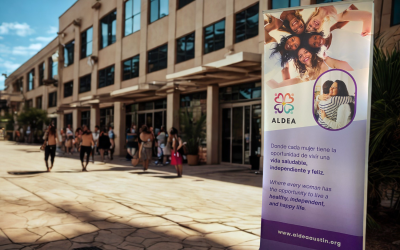
The way we connect is changing, and nonprofit communications are changing right along with it.
In 2025, we all focused on how to get people to stop scrolling. In 2026, the challenge is bigger (and more meaningful): how do we get people to care?
Nonprofits are navigating tighter budgets, louder digital spaces, new technologies, and communities that crave authenticity more than ever. The organizations that stand out won’t be the ones doing more — they’ll be the ones communicating with clarity and courage.
Here’s what we’re betting will shape nonprofit communications in 2026 ( and how your organization can keep its mission seen, heard, and felt).
Storytelling Isn’t Going Away — It’s Getting Bolder

Storytelling has always been at the heart of effective nonprofit marketing. That’s not changing. What is changing is how bold organizations are willing to be with their stories.
In 2025, many nonprofits focused on quick hits: short captions, trending audio, eye-catching graphics. Those tools still matter, but in 2026, the organizations that stand out will go deeper.
People don’t just want information, they want connection.
Here’s what bold storytelling looks like in practice.
Vague → Clear
Instead of:
“We empower individuals to build brighter futures.”
Try:
“We help parents returning to the workforce find childcare, job training, and stability when they need it most.”
Polished → Human
Instead of:
“Our program creates meaningful outcomes for participants.”
Try:
“Some days, progress looks like a completed job application. Other days, it looks like someone showing up at all.”
Impersonal → Inviting
Instead of:
“Our organization is committed to long-term community impact.”
Try:
“If you’ve ever wondered what happens after the ribbon-cutting or the gala, here’s what long-term support actually looks like.”
Bold storytelling doesn’t mean dramatic storytelling. It means being specific, human, and real.
Do your stories sound too much like mission statements? We can help you rewrite them into something people actually feel.
One Story Is More Powerful Than Ten Statistics
Yes, data matters. Of course, impact reports matter. And yep, you betcha, metrics matter.
But a piece of the puzzle is missing when we just talk numbers: people remember people, not percentages.
Instead of leading with a list of statistics, lead with a single human experience. Show us what your work looks like on the ground.
Example:
Instead of:
“Last year, we served 3,200 individuals across five programs.”
Try:
“When Maria walked through our doors for the first time, she hadn’t slept in days. By the end of the week, she had a safe place to stay and a plan for what came next.”
People don’t just want information. They want connection.
You can always add the numbers later (ex, “We served 3,200 individuals just like Maria last year.”). But the story is what opens the door.
In 2026, strong nonprofit storytelling will:
- Center one person, family, or community member at a time
- Use plain, human language
- Make space for emotion: joy, grief, hope, and resilience
We guarantee this approach will strengthen donor engagement, volunteer interest, and long-term stakeholder trust.
AI Tools Are Helpful, But Human Always Wins

AI is everywhere, and in nonprofit communications, it can be genuinely useful.
In 2026, we expect to see organizations using AI tools to:
- Brainstorm content ideas
- Outline blog posts or campaigns
- Speed up drafting or repurposing content
That’s not a bad thing.
The problem comes when AI replaces your voice, your values, or your lived understanding of the communities you serve.
Your audience can tell when something was written by someone who deeply believes in the mission, and when it wasn’t.
Our rule of thumb:
Use AI to support the process, not replace the person.
Let it help you get unstuck or move faster, but always:
- Edit with a sharp eye
- Add helpful context
- Use real stories and language from your community
In 2026, authenticity will matter more than automation. We’d put our money on it.
Need help finding the balance between efficiency and heart? That’s where we come in. Helping organizations hone their voice is kind of our thing.
Clarity Is the Most Underrated Communications Tool
If someone asks, “What does your organization do?” could your entire team answer it the same way?
In 2026, clarity will be one of the most powerful tools in nonprofit communications strategy.
Clear messaging helps:
- Donors understand why their support matters
- Communities know how to engage
- Partners see where they fit
This means:
- Avoid buzzwords and jargon
- Shorter sentences
- Stronger calls to action
If your audience has to work to understand your message, they’re more likely to scroll past it. So if your messaging feels muddled, inconsistent, or hard to explain, it’s usually not a content problem — it’s a strategy problem.
We help nonprofits clarify what they’re saying, who they’re saying it to, and why it matters.
Consistency Will Matter More Than Perfection
One of the biggest myths in nonprofit marketing (honestly, marketing in general) is that everything needs to be flawless before it can be shared.
We’re here to tell you that consistency builds trust far more effectively than a perfectly branded post with a perfect caption ever could.
You do not need:
- Daily posts
- Accounts on every platform
- A massive content calendar
You do need:
- A clear message
- A consistent rhythm
- A reason for people to care
When people see you showing up regularly (even imperfectly), they start to recognize your voice, understand your mission, and feel connected to your work.
That’s when listening turns into action.
Accessibility Is No Longer Optional
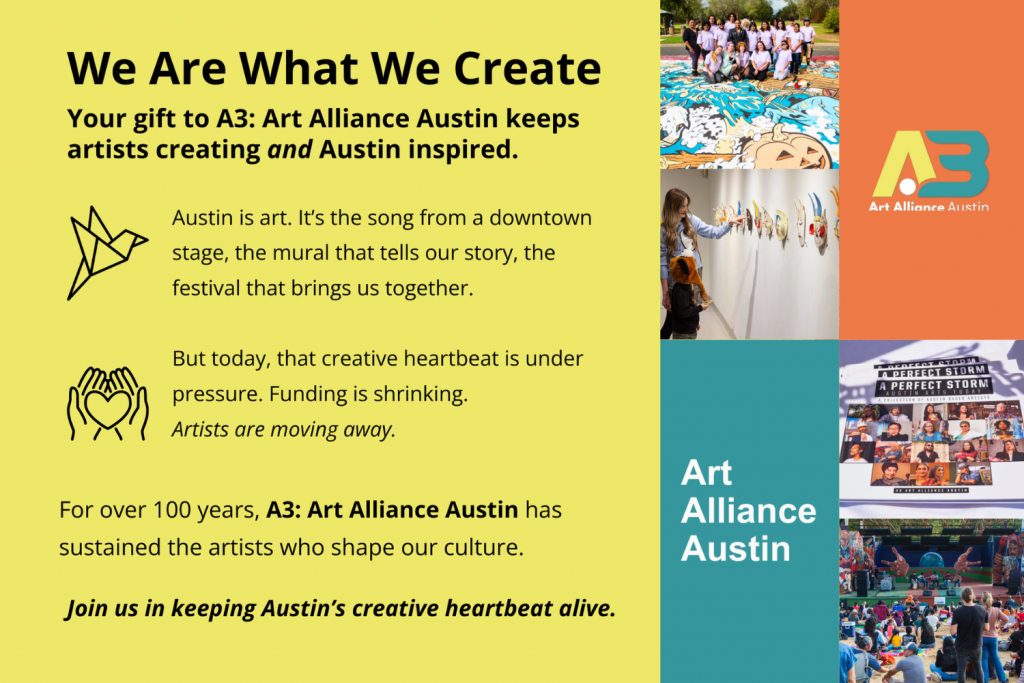
Strong nonprofit communications must also be accessible communications.
That includes:
- Captions on videos
- Alt text on images
- High-contrast design
- Plain-language writing
Accessibility isn’t about checking a box — it’s about making sure your message reaches everyone it’s meant for.
In 2026, inclusive communication will be a baseline expectation, not a bonus. And for nonprofits, accessibility should be non-negotiable.
If you’re not sure where to start, we can help you audit your content and design with inclusion in mind.
Campaigns Should Feel Like Conversations

The most effective nonprofit campaigns in 2026 won’t feel like broadcasts to an echo chamber. They’ll feel like ongoing conversations.
Instead of one big launch and silence afterward, think about:
- Before: building curiosity and context
- During: sharing stories, progress, and gratitude
- After: reflecting on impact and next steps
This approach keeps supporters engaged beyond a single moment and strengthens long-term relationships. It also builds trust and shows your community you’re in it for the long haul.
Bringing It All Together
Nonprofit communications in 2026 won’t be about doing more. They’ll be about doing things with intention.
The organizations that break through the noise will be the ones that:
- Tell bold, human stories
- Protect their voice in an AI-driven world
- Communicate clearly and consistently
- Design with accessibility in mind
- Treat campaigns like relationships, not announcements
At the heart of it all is one simple truth: people connect with people.
If you remember nothing else from this guide, remember this: your mission deserves to be felt, not just seen.
And you don’t have to figure it all out alone.
At Inspirare Communications, we partner with nonprofits and mission-driven organizations to help them communicate with heart — online, in print, and in the community.
If you’re ready to strengthen your communications in 2026, we’d love to help.
Let’s build something meaningful together.

Madeline Beath
With a Masters in Social Work focused on Organizational Leadership, I combine my passion for social media and nonprofit advocacy to help mission-driven organizations connect and create community.